❝45% Off❞
Sign up now and get exclusive offers, discounts, and updates on our latest services.
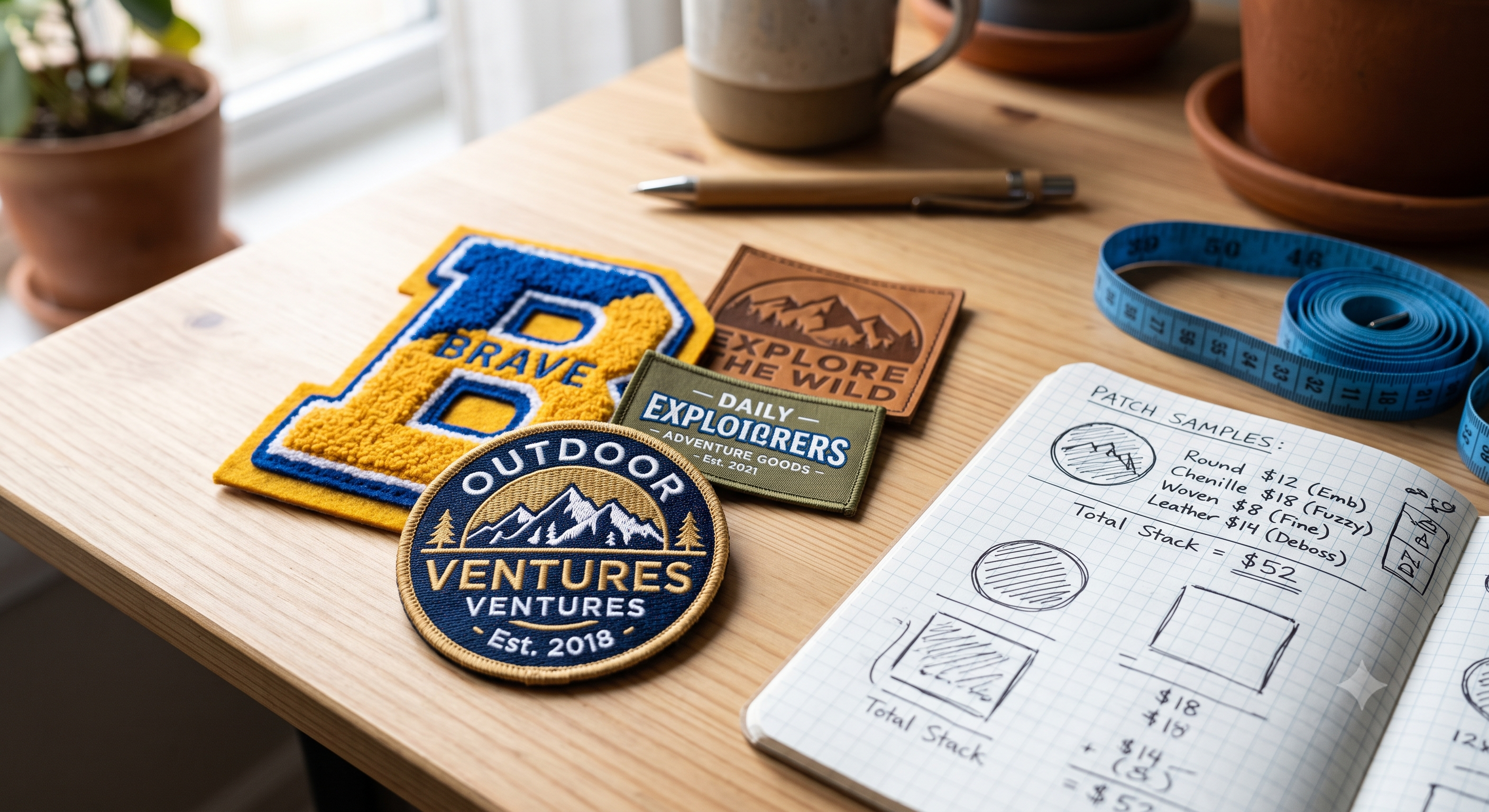
"How much does a custom patch cost?" is one of the most common questions we get, and it's also one of the hardest to answer with a single number. A small woven patch ordered in bulk costs very differently than a large chenille patch ordered as a one-off sample. The price depends on a handful of factors that stack together, and once you understand them, the final quote makes a lot more sense.
Here's what actually goes into custom patch pricing, broken down piece by piece.
This is usually the biggest factor. Bigger patches need more thread, more stitching time, and more material, so the cost per patch goes up with the size. A small 2-inch patch on a jacket sleeve will always cost less than a 6-inch back patch covering the full width of a vest.
If budget is tight, keeping the design compact without losing readability is one of the easiest ways to bring the price down.
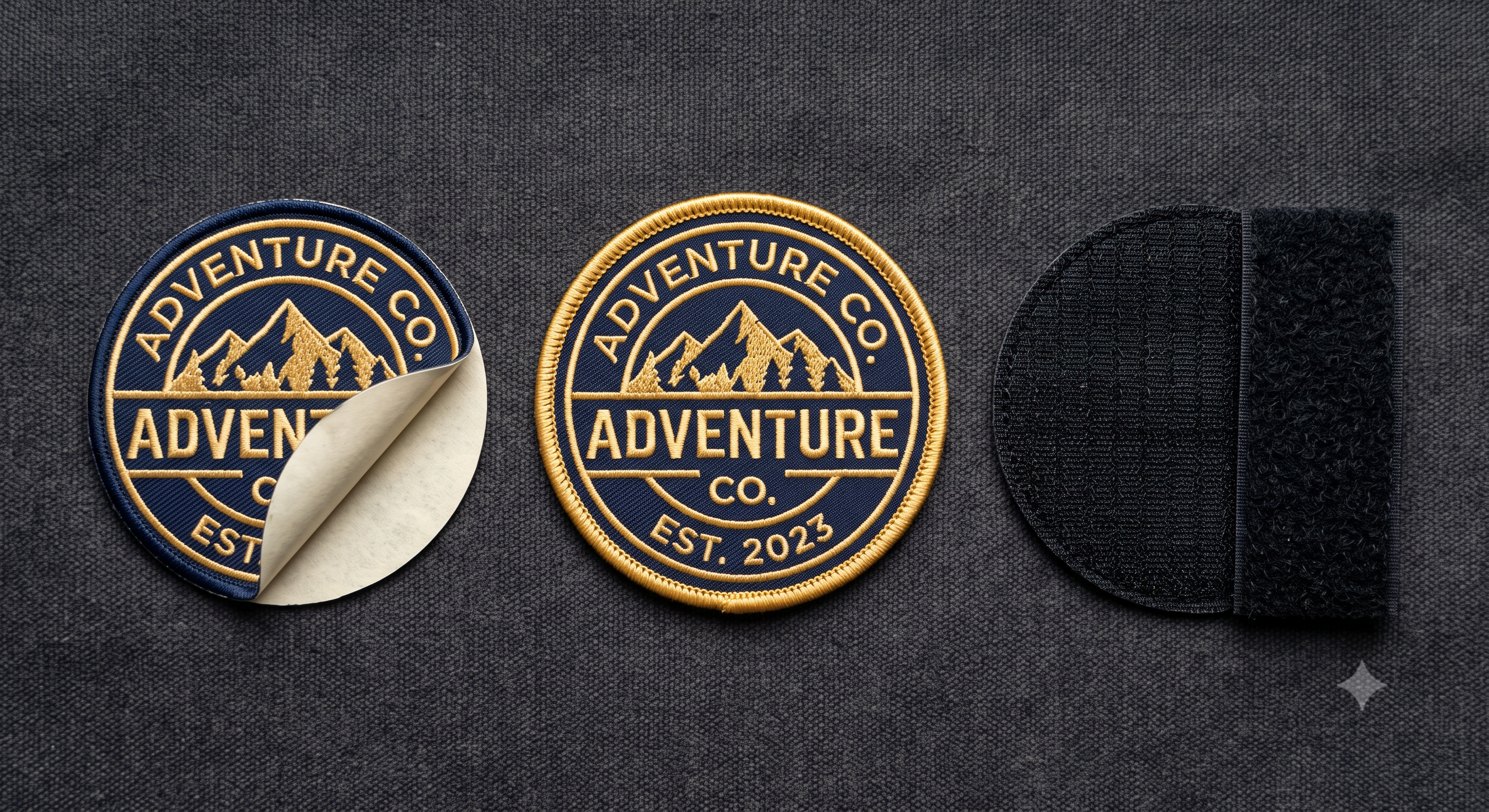
Not all patches are made the same way, and each type has a different production cost:
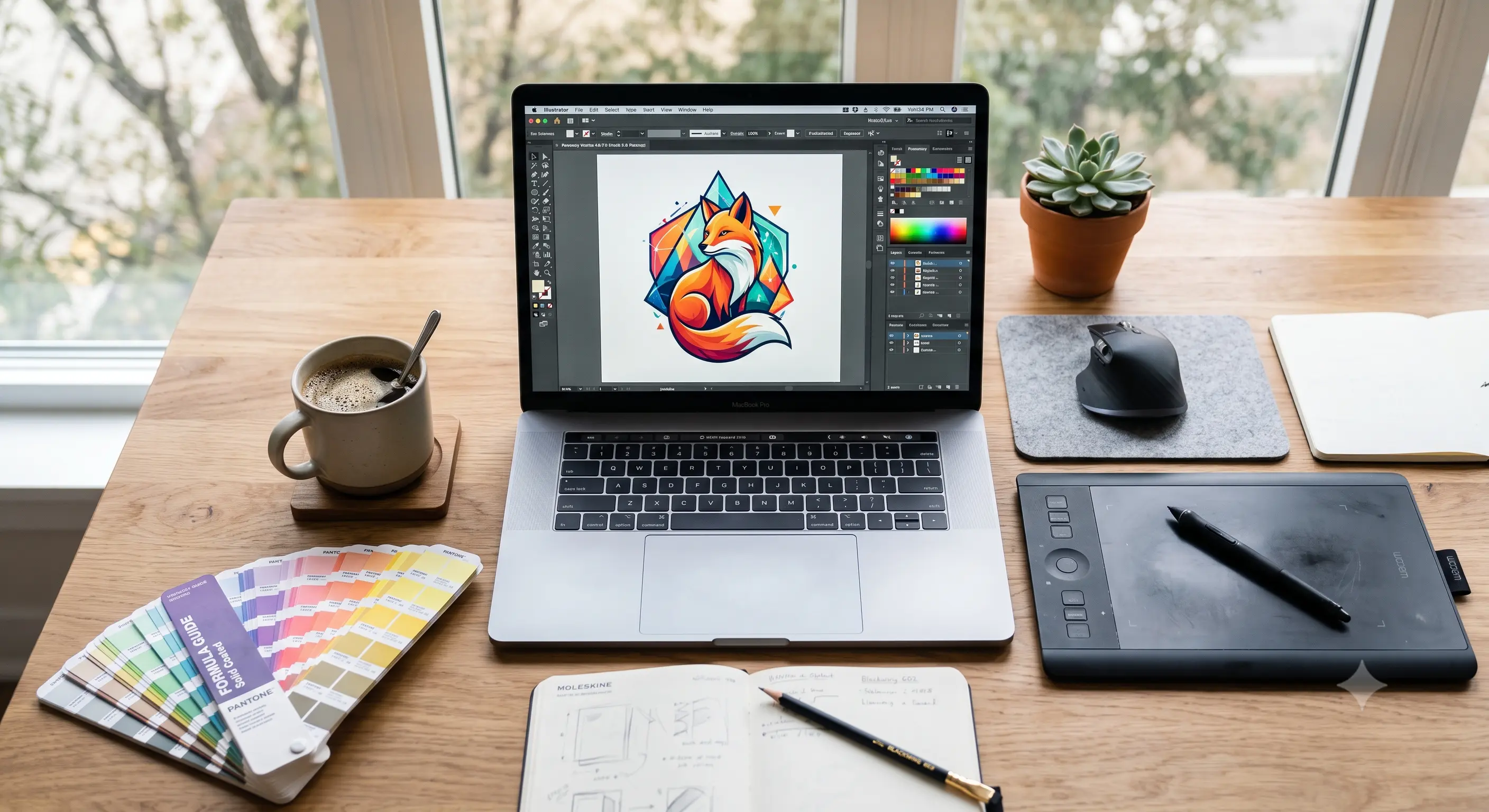
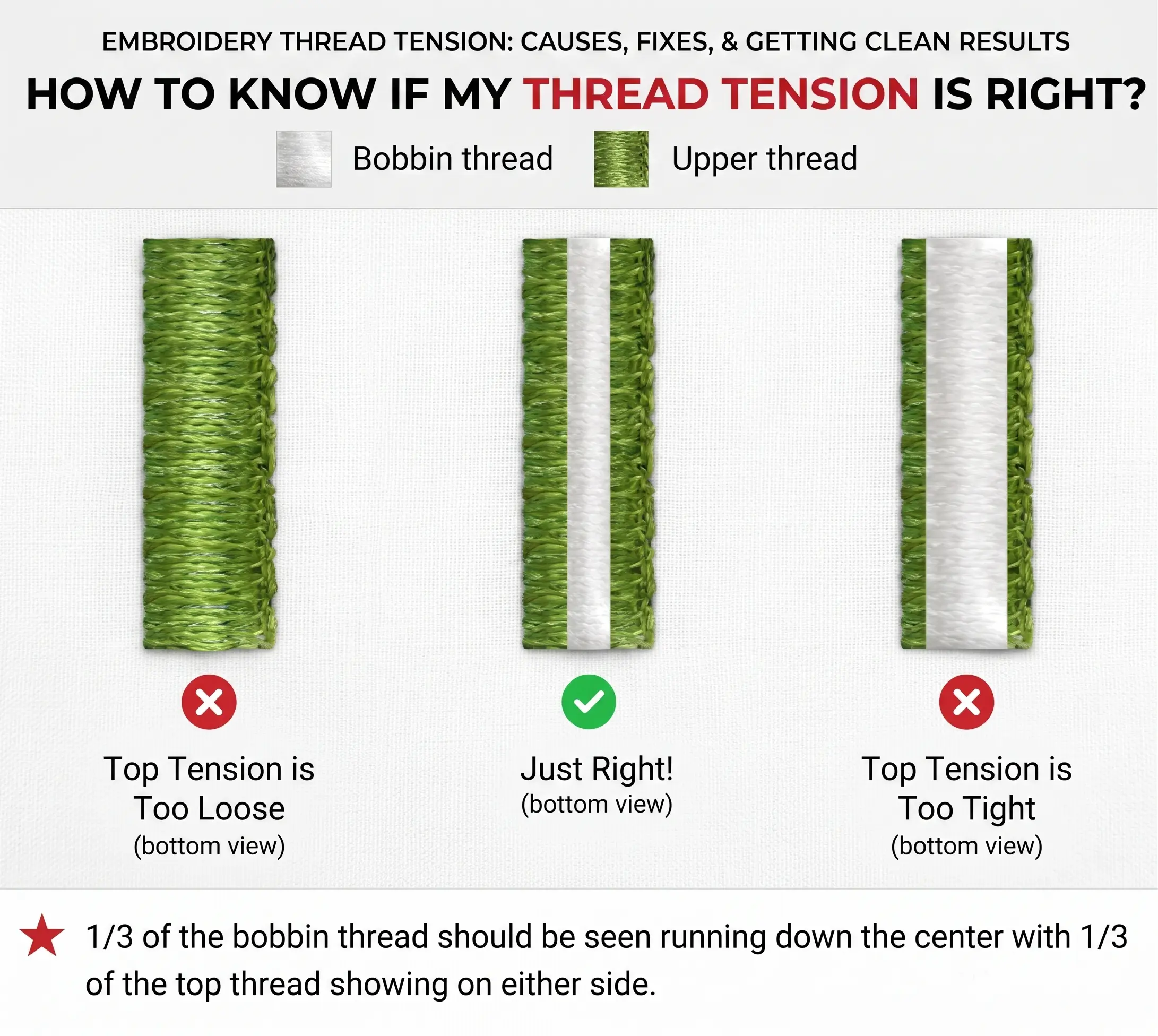
A patch with a simple logo and two colors takes far less production time than a highly detailed design with gradients, fine text, or a lot of color changes. More stitches mean more machine time, which affects the final price. This is the same logic that applies to any embroidery digitizing job — density and complexity drive cost, not just size.
Iron-on, sew-on, and Velcro backings each add a slightly different cost. Velcro backing costs a bit more since it requires both the hook and loop pieces to be produced and attached, compared to a single adhesive layer on iron-on backing.
This is where the price per patch drops the most. Custom patches follow standard bulk pricing logic: the more you order, the lower the cost per unit, since setup work (digitizing the design, color matching, sampling) is a one-time cost spread across the whole batch.
A single sample patch will always cost more per piece than ordering 100 of the same design. If you're outfitting a team, club, or uniform program, ordering in bulk upfront is almost always the more cost-effective route.
The edge finish, whether it's a merrowed border, a laser-cut edge, or a die-cut shape, adds a small amount to the cost depending on the complexity of the patch outline. Simple round or square patches are the most economical shape to produce.
A free digital proof is standard before production starts, so that part shouldn't cost you anything extra. Where costs can creep in is with major design revisions after the first proof is approved, especially if the layout or color count changes significantly. Getting the artwork settled early keeps the process smooth and avoids delays.
To put this in perspective: a small-to-medium embroidered patch, ordered in a moderate quantity with standard sew-on backing and a straightforward design, sits at the more affordable end of the pricing range. Add chenille material, a large size, Velcro backing, and a highly detailed design, and the cost climbs from there. Most orders land somewhere in between, depending on how many of these factors apply.
Patch pricing isn't random, it's built from a handful of predictable factors: size, type, detail level, backing, and quantity. Once you know which of these apply to your project, it's much easier to understand your quote instead of just seeing a number and wondering where it came from.
If you want an exact price for your design, the fastest way is to send us your artwork and quantity directly. Get a free custom patch quote and we'll break down the cost before you commit to anything.
Is there a minimum order for custom patches?
No, we accept orders of any size, including single patches. Just keep in mind that per-unit pricing is lower at higher quantities.
Do you charge extra for the design proof?
No, the first digital proof is free and included with every order.
Which patch type is the cheapest?
Standard embroidered and woven patches are generally the most affordable, especially in simple, smaller sizes.
Does more colors mean a higher price?
Not directly, but more colors usually mean more thread changes and stitching time, which can add slightly to production time and cost.
How long does it take to get a price quote?
Once we have your design and quantity, we typically respond with a full quote within a few hours.