❝45% Off❞
Sign up now and get exclusive offers, discounts, and updates on our latest services.
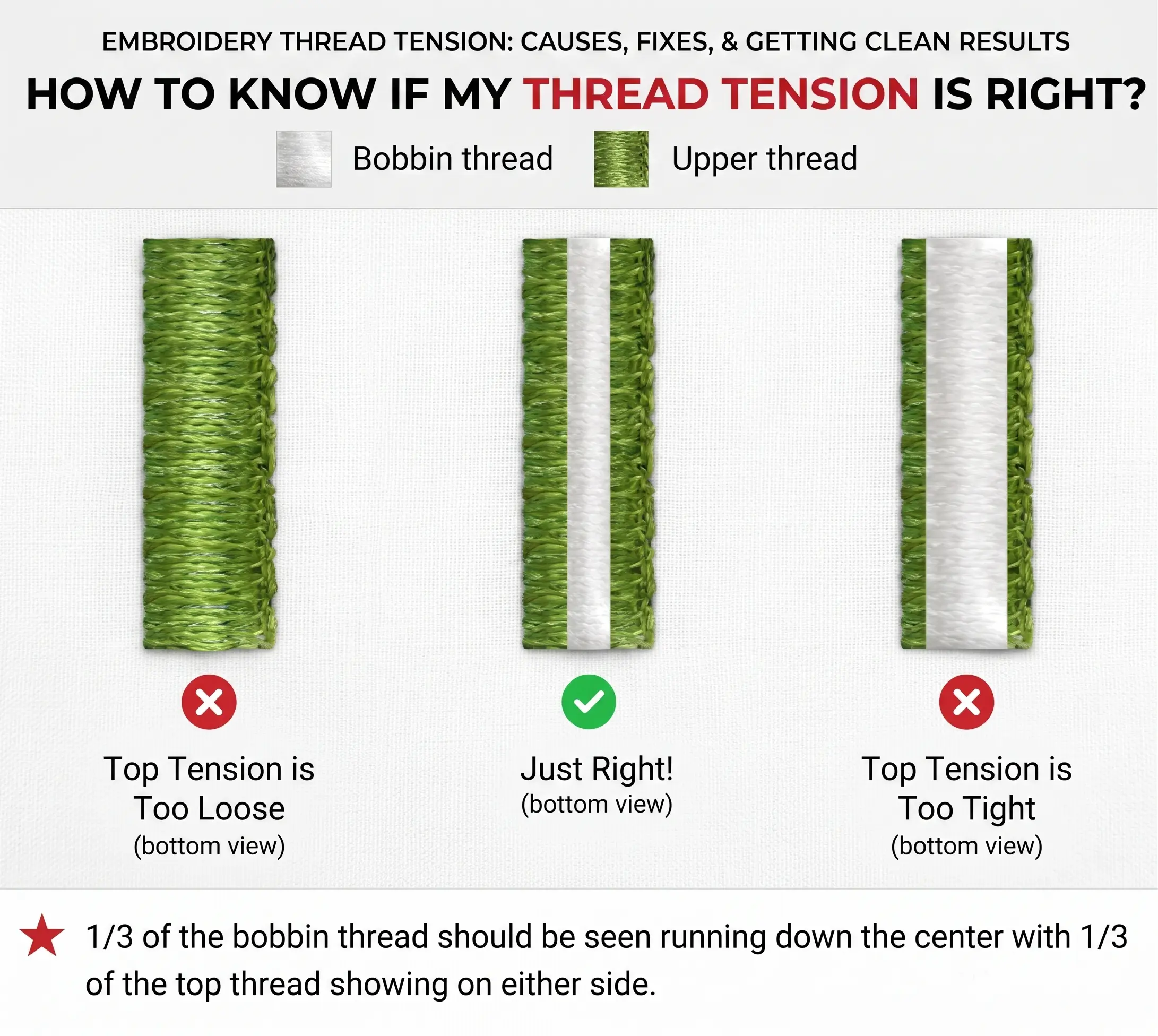
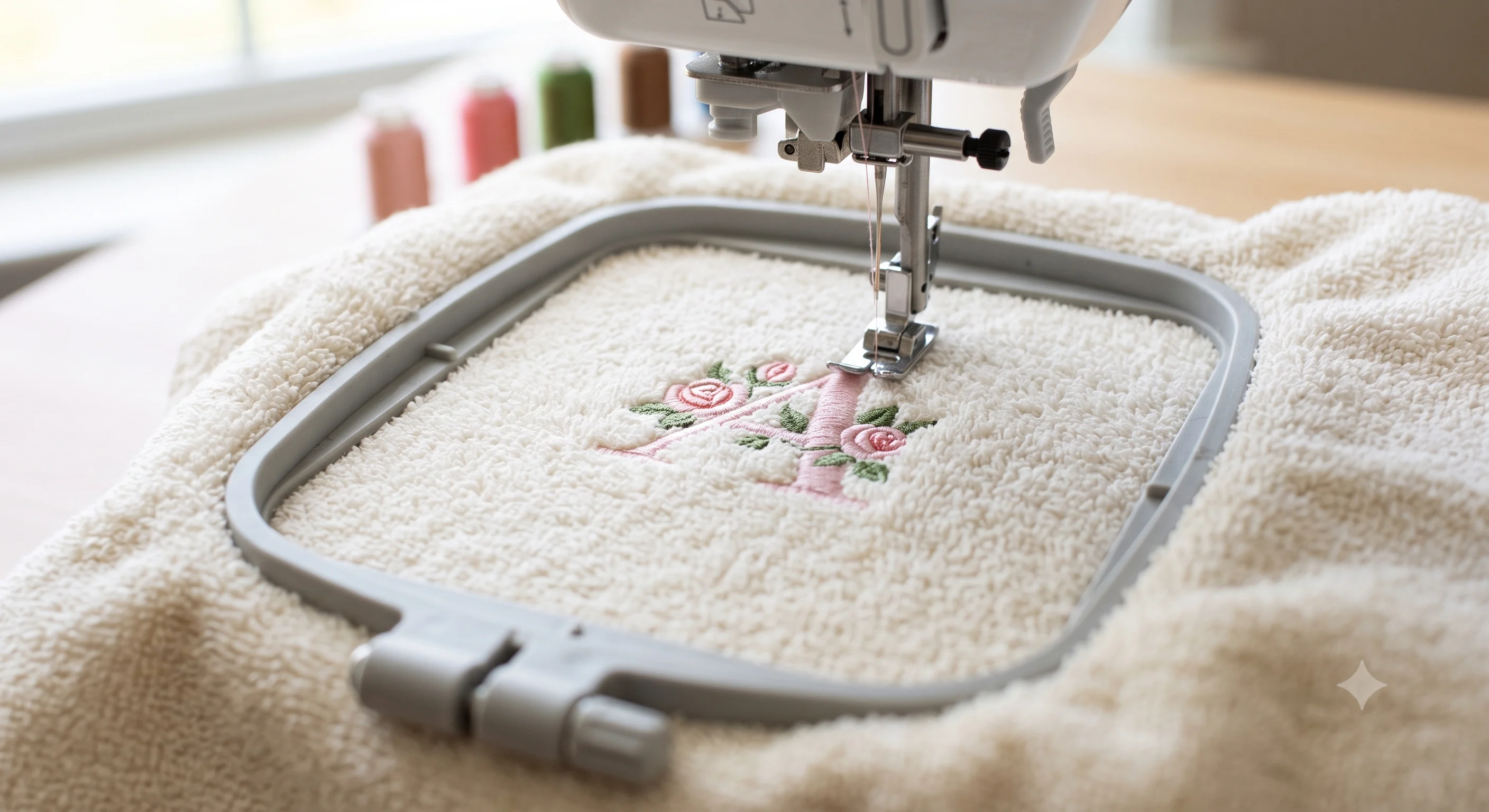
Even a well-digitized embroidery design can produce poor results if the thread tension is not set correctly. Problems like looping, puckering, thread breaks, uneven fills, and weak outlines often trace back to tension imbalance. That is why thread tension plays such an important role in embroidery quality.
When the tension is too tight, the stitches can pull the fabric and distort the design. When it is too loose, the embroidery may look weak, messy, or unstable. In both cases, the final finish looks less professional.
In this guide, we will explain the most common embroidery thread tension problems, their causes, and how to fix them for cleaner and more consistent results.
Embroidery thread tension is the balance between the upper thread and the bobbin thread while the machine is stitching. For the design to stitch cleanly, both threads must lock properly within the material.
Balanced tension helps create smooth stitches, cleaner edges, better thread coverage, and more stable embroidery. When the balance is off, the design quality starts to drop, especially in logos, satin stitches, and smaller details.
Most tension problems show clear warning signs during or after stitching. Recognizing them early can save time, fabric, and production effort.
Common signs include looping on the top or underside, thread breaks, puckering around the design, uneven stitch coverage, bobbin thread showing on top, too much top thread visible on the back, and distorted text or outlines.
While some of these issues can also come from other setup problems, tension should always be one of the first things checked.
When the upper tension is too tight, the machine pulls the thread too strongly during stitching. This places extra stress on both the fabric and the design.
Tight tension can cause thread breakage, puckering, narrow satin stitches, pulled lettering, and bobbin thread showing on the surface. These problems are especially noticeable on lightweight garments and detailed embroidery.
When the upper tension is too loose, the top thread does not stay controlled properly. The embroidery may still complete, but the stitch quality usually suffers.
Loose tension often causes looping underneath, weak edge definition, messy fills, unstable stitch formation, and too much top thread visible on the back. This makes the design look untidy and less professional.
Thread tension problems usually come from one or more setup issues rather than a single mistake.
Common causes include incorrect machine tension settings, poor-quality thread, a damaged or unsuitable needle, incorrect threading, lint buildup in the bobbin area, weak stabilizer support, and overly dense digitizing.
In production, tension issues often become worse when multiple setup factors are slightly off at the same time.
The best way to fix tension issues is to make small adjustments and test carefully instead of changing everything at once.
Start by re-threading the machine and checking the full thread path. Replace the needle if it is worn or unsuitable for the material. Clean the bobbin area and remove lint from the machine. After that, adjust the top tension gradually and test after each small change.
It is also important to check that the bobbin is wound evenly and inserted correctly. If the fabric is shifting or wrinkling, review the stabilizer as well, because weak support can make tension issues more noticeable.
Many embroiderers focus only on upper tension, but bobbin tension is also part of stitch balance. If the bobbin is too tight or too loose, the top and bottom threads will not lock properly inside the material.
Bobbin tension is adjusted less often than upper tension, but it should still be checked when normal top-thread corrections do not solve the problem.
Small text is one of the first areas where tension problems become obvious. Slight imbalance can make letters close up, lose shape, or become harder to read.
For cleaner small text embroidery, tension must work together with proper digitizing, correct needle size, and suitable stabilizer support. If one of these elements is wrong, fine lettering quality drops quickly.
Cap embroidery is more demanding than flat garment embroidery because of the curved surface and structured front panel. If the tension is off, the design may show thread breaks, uneven coverage, poor edge quality, or distorted shapes.
This becomes even more important in bold front logos and raised embroidery styles where clean stitch formation is essential.
For logos, stitch quality directly affects how professional the brand looks. Poor tension can make strong artwork look weak in production through broken outlines, uneven fills, or distorted shapes.
Balanced tension helps logos stay sharp, readable, and visually clean. That is especially important for business branding, cap logos, left chest embroidery, and small detailed artwork.
The best way to reduce tension issues is to maintain a consistent setup and good production habits.
Use quality embroidery thread, change needles regularly, keep the machine clean, use the right stabilizer, test designs before final production, and avoid overly dense stitch files. Small preventive steps like these make embroidery more reliable and reduce costly mistakes.
Embroidery thread tension has a major impact on stitch quality. When it is balanced correctly, the design looks cleaner, smoother, and more professional. When it is off, even a good design can end up with looping, puckering, breakage, and uneven coverage.
The best results come from checking the full setup instead of relying on one quick adjustment. Thread, needle, stabilizer, fabric, and digitizing all work together, and tension performs best when the entire embroidery setup is in balance.
Thread tension problems are common in embroidery, but they can be fixed with the right approach. By learning the warning signs and checking the setup step by step, you can avoid many common stitch issues and improve the final quality of your work.
Whether you are stitching caps, logos, or detailed text, balanced tension helps produce cleaner and more professional embroidery every time.